
CompBioChem Tutorials
Step-by-step tutorials, scripts and models for enzyme simulations, from classical molecular dynamics to QM/MM reaction mechanisms.
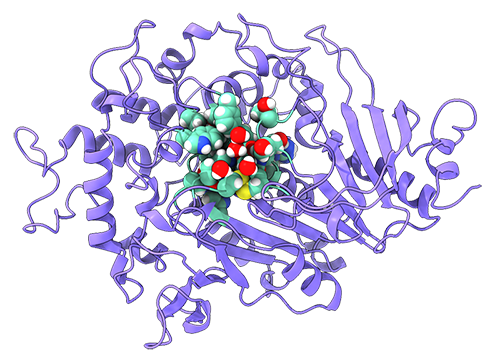 Latest addition, October 2026
Preparing a QM/MM system
Build a QM/MM model of an enzyme-ligand complex, from the PDB structure to a validated set of CP2K inputs.
Showing all 9 entries
-
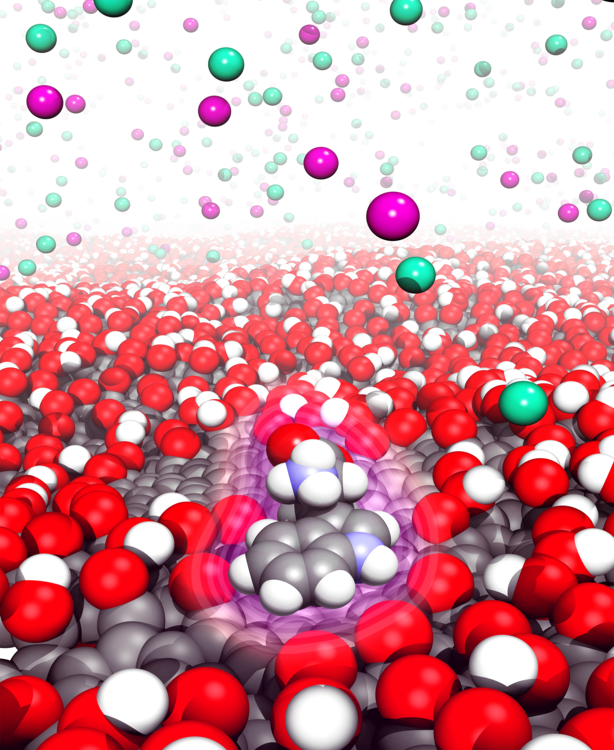
Graphene oxide structures
GAFF2-AIM graphene oxide sheet models in GROMACS format, from the J. Phys. Chem. B 2022 study on biomolecule adsorption.
-
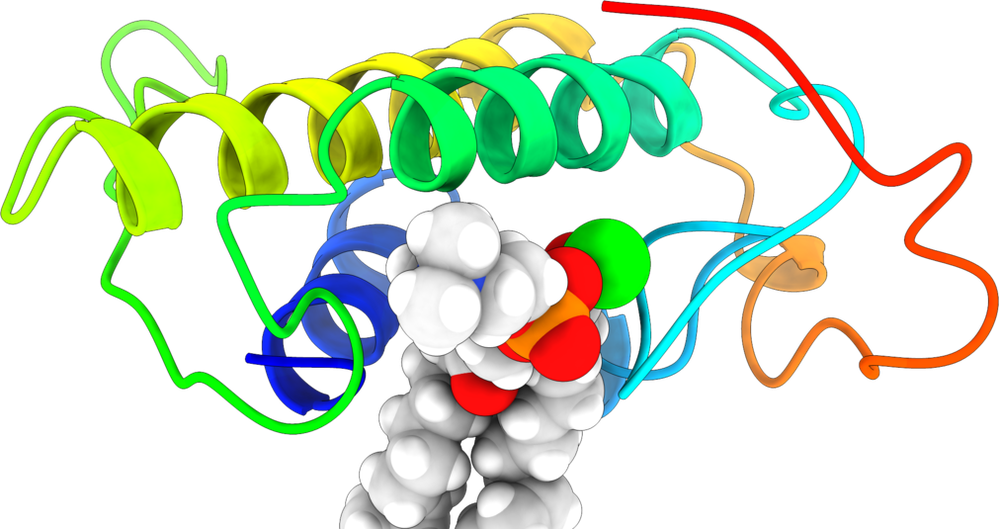
Static QM/MM
Locate reactant, transition state and product geometries with the CI-NEB and dimer methods.
Part 2 of Enzyme QM/MM with CP2K
-
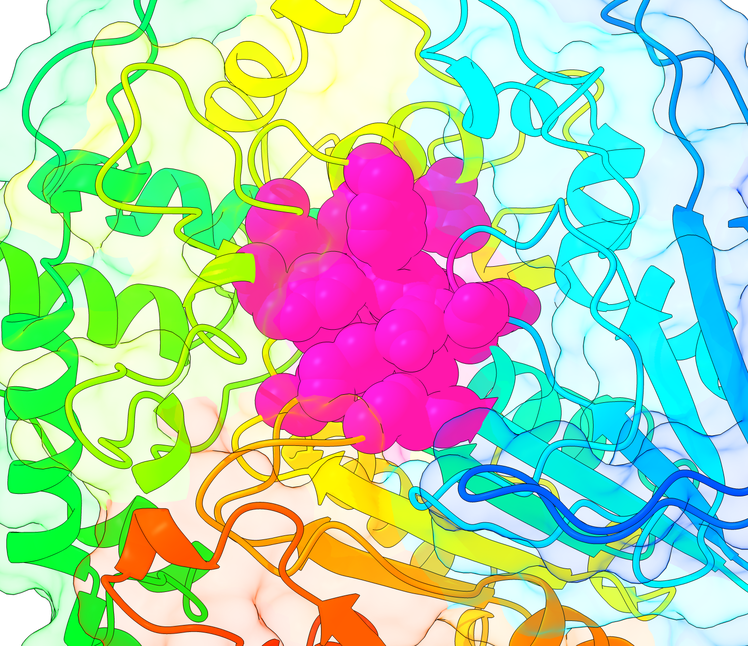
Dynamic QM/MM
Run QM/MM molecular dynamics along the reaction coordinate to obtain the free energy profile.
Part 3 of Enzyme QM/MM with CP2K
-
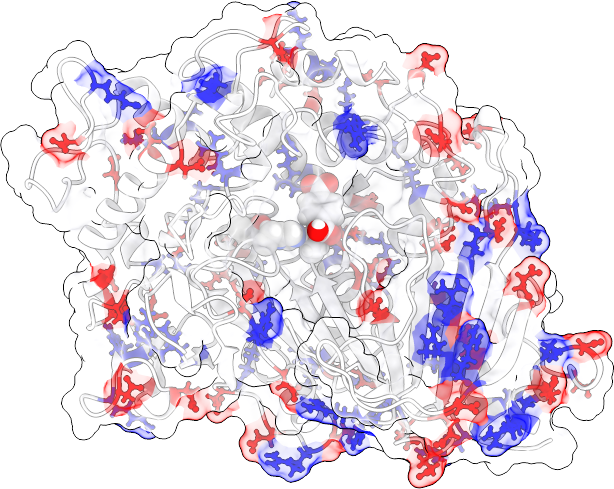
Per-residue contributions to the barrier
Delete residues one at a time from the reactant and transition state to measure how each one changes the activation energy.
Part 4 of Enzyme QM/MM with CP2K
-
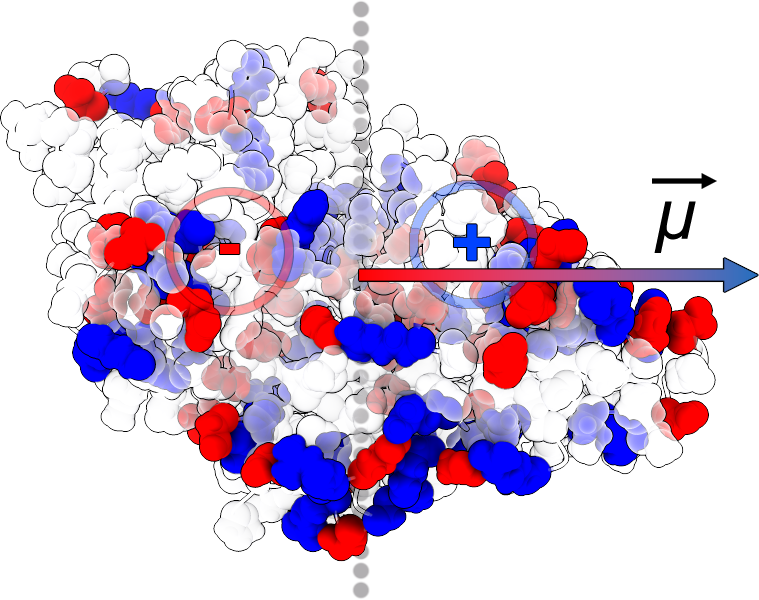
Transition state macrodipole
Calculate the dipole moment of the enzyme and how it is oriented relative to the transition state.
Part 5 of Enzyme QM/MM with CP2K
-
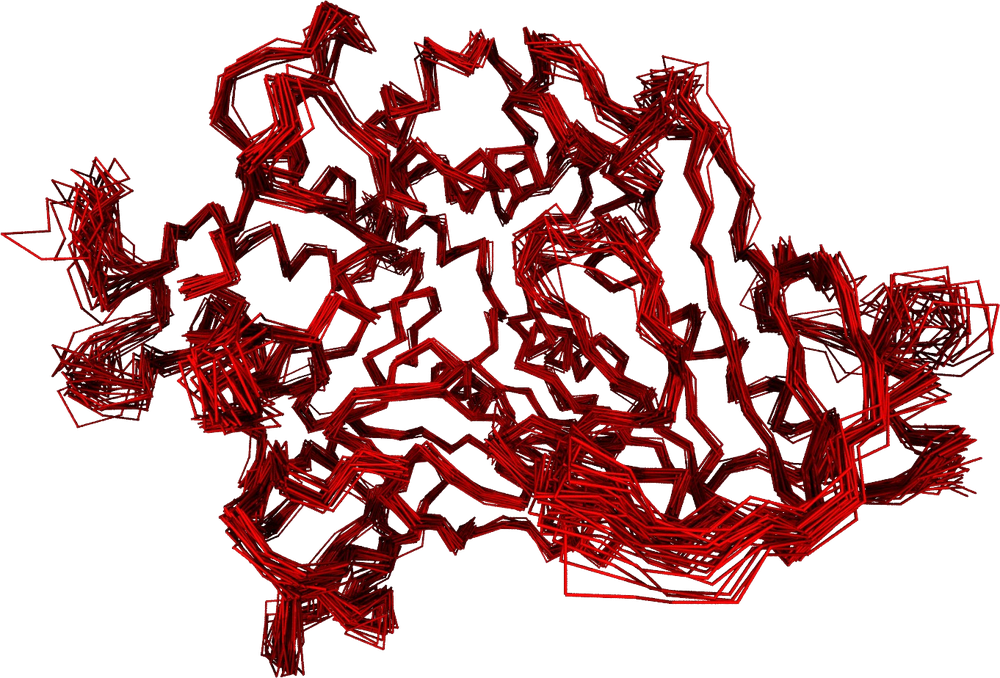
3D clustering of PCA vectors
Cluster an MD trajectory on its first three principal components with DBSCAN and Gaussian mixture models, then extract the most representative frames.
-
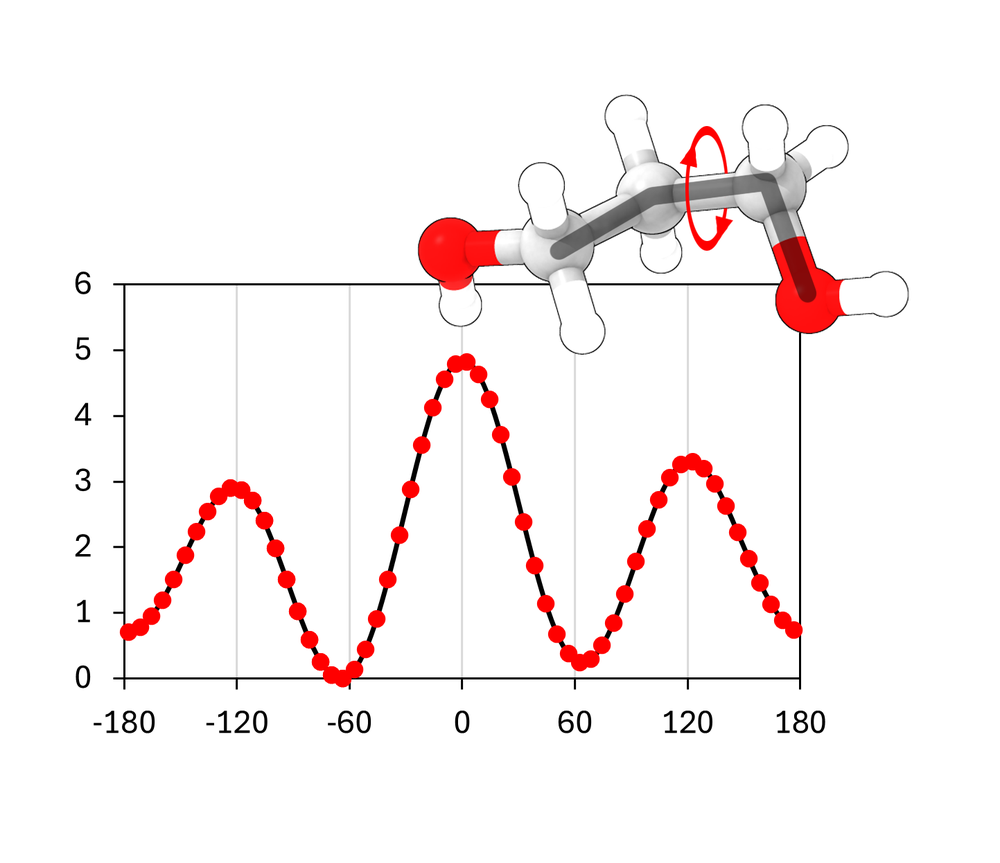
Parameterizing a dihedral angle
Refit GAFF2 dihedral parameters against a quantum mechanical torsion scan.
-
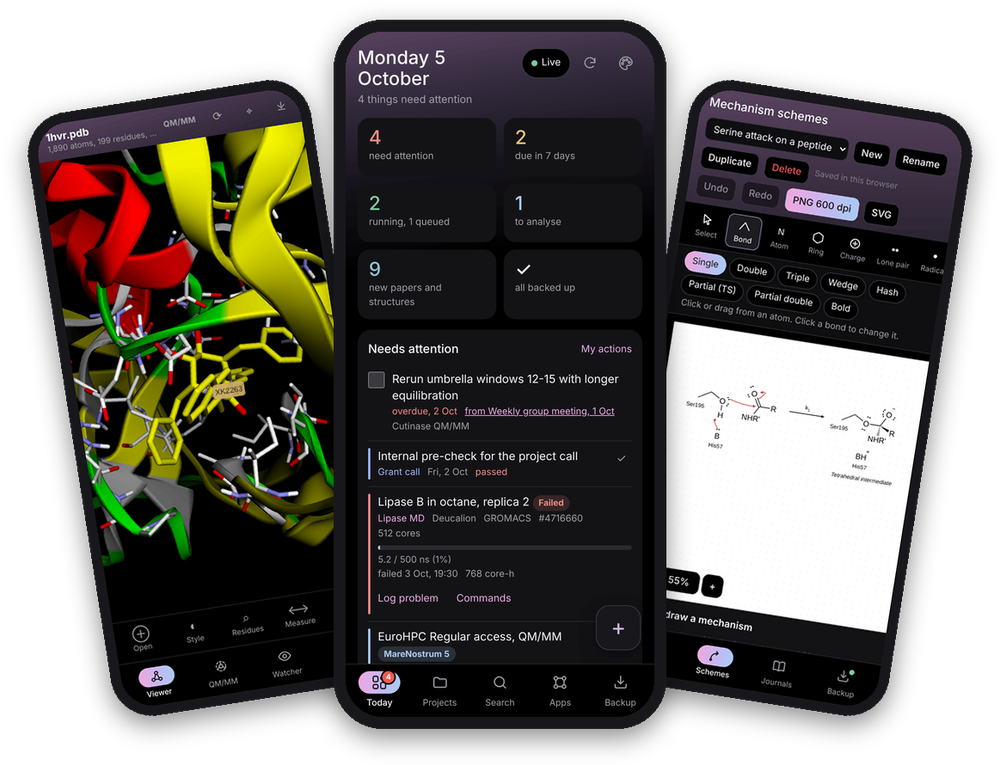
CompChemKit
An offline Android app for computational chemistry, with a lab notebook, literature hub, HPC workbench, structure studio and paper kit.
-
Preparing a QM/MM system
Build a QM/MM model of an enzyme-ligand complex, from the PDB structure to a validated set of CP2K inputs.
Part 1 of Enzyme QM/MM with CP2K
Nothing matches these filters.
About
These tutorials grew out of research on enzyme reaction mechanisms and enzyme-nanomaterial interfaces. Each one is a working protocol, with the inputs and scripts needed to reproduce it on your own system.